
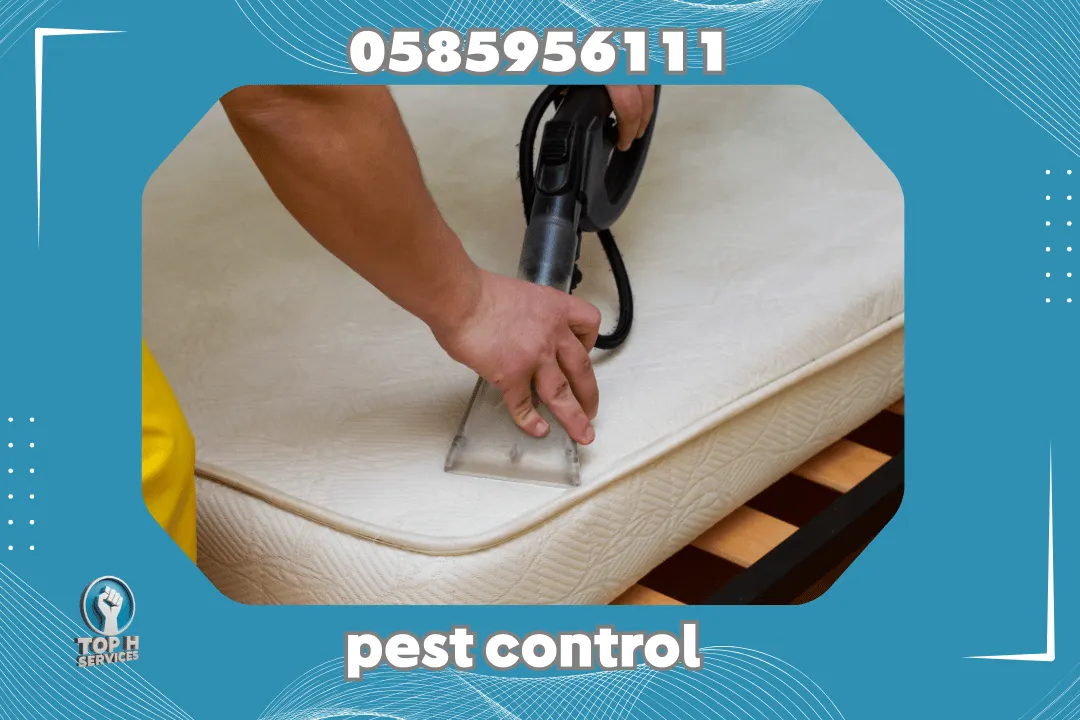
Part 1: Mattress Cleaning – Why Your Bed Mattress Needs Deep Professional Care
Mattress cleaning is often overlooked, even though the mattress is one of the most used items in any home. We spend many hours sleeping on it every day, yet most people assume that changing bed sheets is enough to keep it clean. In reality, a mattress absorbs sweat, dead skin cells, dust, and odors over time, even if it looks clean on the surface.
These hidden contaminants create an ideal environment for bacteria and dust mites, which directly affect sleep quality and overall health. This is why professional mattress cleaning is not a luxury, but an essential part of maintaining a healthy bedroom.
How Mattresses Get Dirty Without You Noticing
During sleep, the human body naturally releases moisture through sweat, even in air-conditioned rooms. This moisture penetrates deep into the mattress layers and mixes with fine dust and dead skin particles. Over months, this buildup becomes impossible to remove with regular household vacuuming.
As a result, surface cleaning alone does not solve the problem. Only deep mattress cleaning can remove contaminants trapped inside the mattress core.
The Link Between Dirty Mattresses and Allergies
Dust mites thrive inside mattresses and feed on dead skin cells. Every time you move during sleep, microscopic particles are released into the air, potentially causing sneezing, itchy eyes, coughing, or breathing discomfort. Many nighttime allergy symptoms are directly linked to an unclean mattress.
If you wake up feeling congested or irritated without a clear reason, professional mattress cleaning may significantly improve your sleep environment.
A Clean Look Does Not Mean a Clean Mattress
A mattress can look perfectly clean while hiding deep contamination inside. Sprays and deodorizers only mask odors temporarily. True cleanliness means removing dirt, bacteria, and moisture from within the mattress layers, not just improving the smell.
Signs Your Mattress Needs Professional Cleaning
- Yellow or dark stains on the mattress surface.
- Persistent odors even after changing sheets.
- Increased allergy symptoms during sleep.
- More than six months without deep cleaning.
- Homes with children or allergy sufferers.
Mattress Cleaning as Part of Bedroom Hygiene
For long-lasting results, mattress cleaning should be part of a complete bedroom hygiene plan. Dust from floors and carpets easily returns to the mattress. Many homeowners choose to combine this service with house cleaning or carpet cleaning to maintain a healthier sleeping environment.
In the next part, we will explain the different mattress cleaning methods and the key differences between basic cleaning and deep professional cleaning.
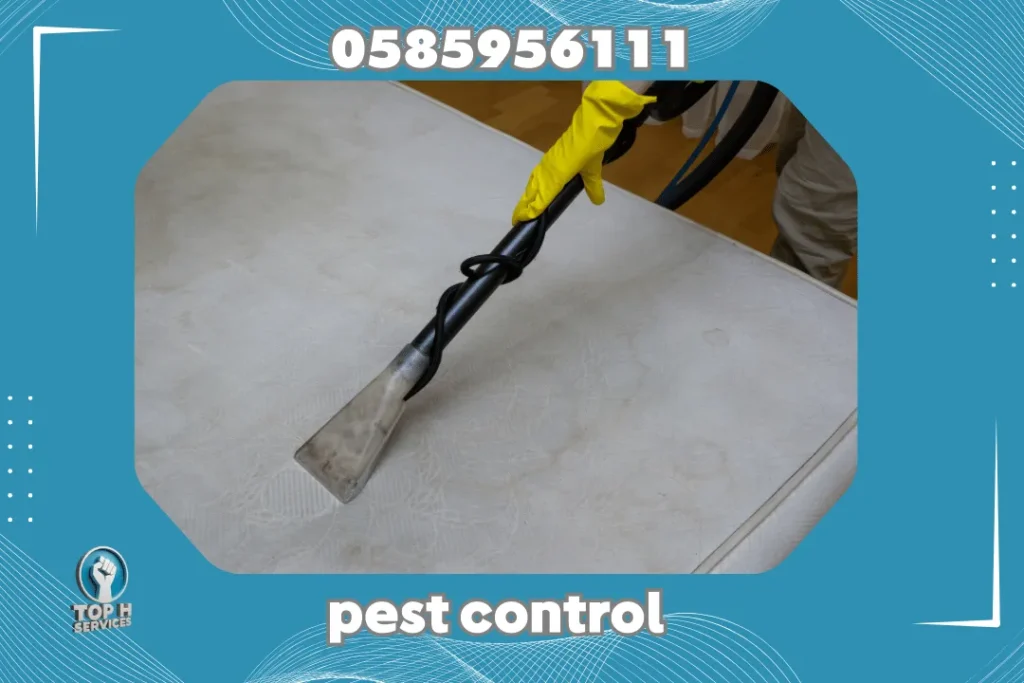
Part 2: Mattress Cleaning Methods – Basic Cleaning vs Deep Professional Cleaning
When it comes to mattress cleaning, many people assume that airing the mattress or vacuuming the surface is enough. While these steps can reduce surface dust, they do not address the deeper layers where sweat, bacteria, and allergens accumulate. Understanding the difference between basic cleaning and deep professional cleaning helps you choose the right solution and avoid recurring problems.
A mattress may look clean, yet still contain hidden contaminants that affect sleep quality and health. Deep mattress cleaning is designed to remove these hidden issues, while basic cleaning mainly improves appearance for a short time.
What Is Basic Mattress Cleaning?
Basic mattress cleaning usually includes light vacuuming, airing the mattress, or using deodorizing sprays. These methods are helpful for temporary freshness but do not eliminate bacteria, dust mites, or moisture trapped inside the mattress.
This is why odors often return quickly and allergy symptoms remain unchanged. Basic cleaning treats the surface, not the root cause.
What Is Deep Mattress Cleaning?
Deep mattress cleaning is a professional process that targets the internal layers of the mattress. It typically involves deep dust extraction, stain treatment, controlled cleaning using steam or low-moisture techniques, followed by strong moisture extraction and proper drying.
This method significantly reduces bacteria, dust mites, and odors, creating a healthier sleeping environment and extending the lifespan of the mattress.
Steam Mattress Cleaning – When Is It the Best Option?
Steam cleaning is one of the most effective mattress cleaning methods. The high temperature helps break down dirt and kill germs without relying heavily on chemicals. This makes steam cleaning a preferred choice for families with children or people sensitive to strong cleaning products.
However, not all mattresses tolerate heavy steam. Some materials require careful moisture control to prevent water retention inside the mattress.
Low-Moisture Mattress Cleaning for Sensitive Materials
For mattresses that absorb water easily, low-moisture mattress cleaning is the safest option. This method uses minimal liquid combined with powerful suction to remove dirt and odors while reducing the risk of trapped moisture.
Proper moisture control is essential, as leftover dampness is the main reason odors return after improper cleaning.
Why Extraction and Drying Are Critical
One of the most common mistakes in mattress cleaning is inadequate drying. When moisture remains inside the mattress, bacteria can grow and cause unpleasant smells. Professional services focus heavily on extraction and controlled drying to prevent this issue.
When Should You Choose Deep Mattress Cleaning?
- If it has been more than six months since the last professional cleaning.
- If visible stains or persistent odors are present.
- If allergy symptoms increase during sleep.
- If the mattress has been exposed to heavy sweating or spills.
Mattress Cleaning as Part of a Complete Home Care Plan
Even after deep mattress cleaning, dust from surrounding areas can settle back onto the bed. For longer-lasting results, many clients combine mattress cleaning with house cleaning and carpet cleaning to maintain a healthier indoor environment.
In the next part, we will explain how mattress cleaning methods vary depending on mattress type and how to choose the safest approach for each material.
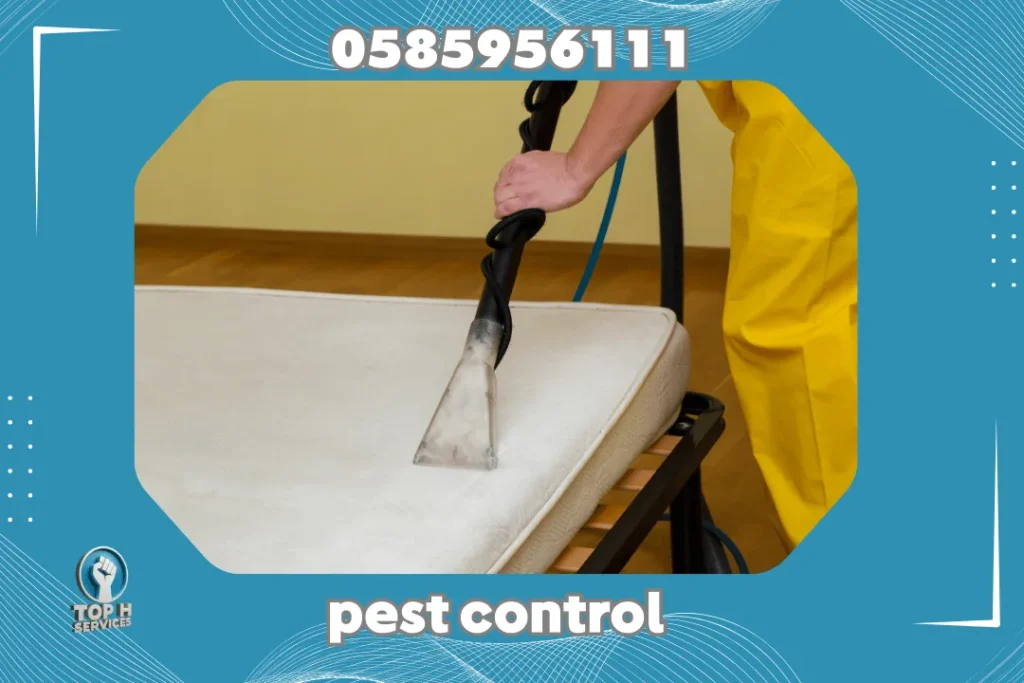
Part 3: Mattress Cleaning by Type – Choosing the Right Method for Each Mattress
Not all mattresses are made the same, which is why mattress cleaning methods must vary depending on the mattress type. Using the wrong technique can trap moisture, damage internal layers, or shorten the lifespan of the mattress. Understanding your mattress material helps ensure safe and effective cleaning results.
Professional mattress cleaning always starts with identifying the mattress structure before selecting the appropriate cleaning approach.
Cleaning Spring and Innerspring Mattresses
Innerspring mattresses contain metal coils surrounded by padding. These mattresses require careful moisture control during cleaning, as excess water can penetrate deep and cause long drying times.
Low-moisture or controlled steam mattress cleaning is often recommended, followed by strong extraction to prevent moisture buildup inside the mattress.
Foam Mattress Cleaning (Memory Foam & High-Density Foam)
Memory foam and high-density foam mattresses are highly absorbent. Excess water can remain trapped inside the foam, leading to odors and discomfort. For these mattresses, professional mattress cleaning uses minimal moisture combined with deep extraction.
The goal is to remove dirt and allergens without saturating the foam, preserving both comfort and hygiene.
Hybrid Mattress Cleaning
Hybrid mattresses combine foam layers with inner springs, making them more complex to clean. These mattresses require a balanced approach that addresses surface contamination while protecting the internal layers from excess moisture.
Professional technicians often combine low-moisture cleaning with targeted steam treatment for stubborn stains.
Pillow-Top Mattress Cleaning
Pillow-top mattresses have an extra padded layer designed for comfort. This top layer tends to trap sweat, dust, and body oils more quickly than standard mattresses. Deep mattress cleaning focuses on thoroughly extracting contaminants from this layer without damaging its softness.
Natural and Organic Mattress Cleaning
Mattresses made with natural materials such as latex, cotton, or wool require gentle cleaning methods. Harsh chemicals or excessive heat can damage these fibers. Low-moisture, eco-friendly mattress cleaning solutions are typically used to maintain the integrity of natural materials.
Why Mattress Inspection Matters Before Cleaning
A professional mattress inspection identifies stains, odors, and material sensitivity. This step ensures that the chosen cleaning method delivers effective results without causing damage.
Combining Mattress Cleaning with Other Home Services
Since dust and allergens circulate throughout the bedroom, mattress cleaning is most effective when combined with house cleaning and carpet cleaning for a complete hygiene solution.
In the next part, we will focus on removing stains and odors from mattresses and explain how professionals handle even the toughest cases.
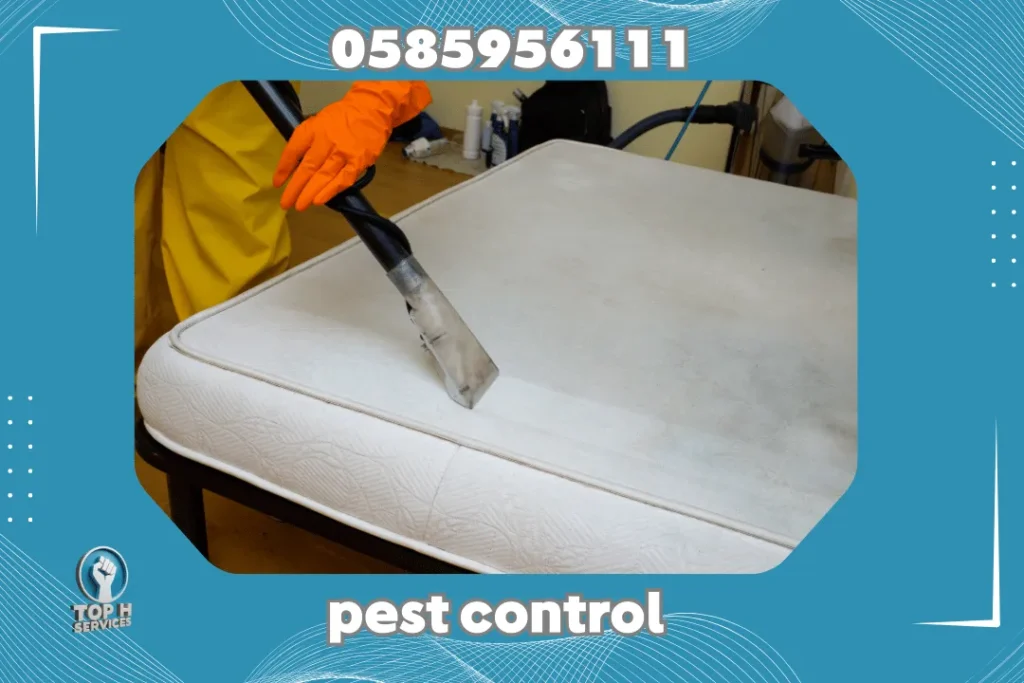
Part 4: Mattress Stain and Odor Removal – How Professionals Handle Tough Problems
Stains and odors are the most common reasons people seek professional mattress cleaning. While surface cleaning may hide the problem temporarily, true odor and stain removal requires treating the source deep inside the mattress layers. Professional methods are designed to break down contaminants safely without damaging the mattress.
Understanding the nature of mattress stains and odors helps explain why professional cleaning delivers longer-lasting results compared to home remedies.
Common Types of Mattress Stains
Mattress stains can come from various sources, including sweat, spills, body oils, and accidents. Over time, these stains penetrate deeper into the mattress, making them difficult to remove without specialized treatment.
- Sweat and moisture stains
- Food and drink spills
- Body oils and cosmetic residue
- Pet or child-related accidents
Why Mattress Odors Keep Returning
Odors usually return when moisture and bacteria remain trapped inside the mattress. Sprays and perfumes only mask the smell, while professional mattress cleaning focuses on eliminating odor-causing bacteria from the core of the mattress.
How Professionals Remove Mattress Stains
Professional cleaning starts with identifying the stain type. Specialized stain removers are applied to break down the residue, followed by controlled cleaning and deep extraction. This process minimizes spreading the stain and prevents moisture from settling deep inside the mattress.
Deep Odor Treatment Techniques
Odor removal often requires antibacterial treatment and thorough extraction. Steam or low-moisture methods are chosen based on mattress material, ensuring odor sources are neutralized rather than covered up.
Mistakes to Avoid When Treating Mattress Stains at Home
- Using excessive water, which traps moisture inside the mattress.
- Scrubbing aggressively, which spreads stains deeper.
- Applying harsh chemicals that damage mattress fibers.
- Failing to dry the mattress completely after cleaning.
When Stains Cannot Be Fully Removed
Some old or deeply set stains may not disappear completely, even with professional mattress cleaning. However, proper treatment can significantly reduce their appearance and eliminate odors, making the mattress hygienic and comfortable again.
Mattress Cleaning as Part of a Healthier Bedroom
For the best long-term results, mattress cleaning should be combined with services like house cleaning and carpet cleaning to prevent allergens and odors from returning.
In the next part, we will discuss how often mattress cleaning should be done and the best maintenance schedule for long-lasting freshness.
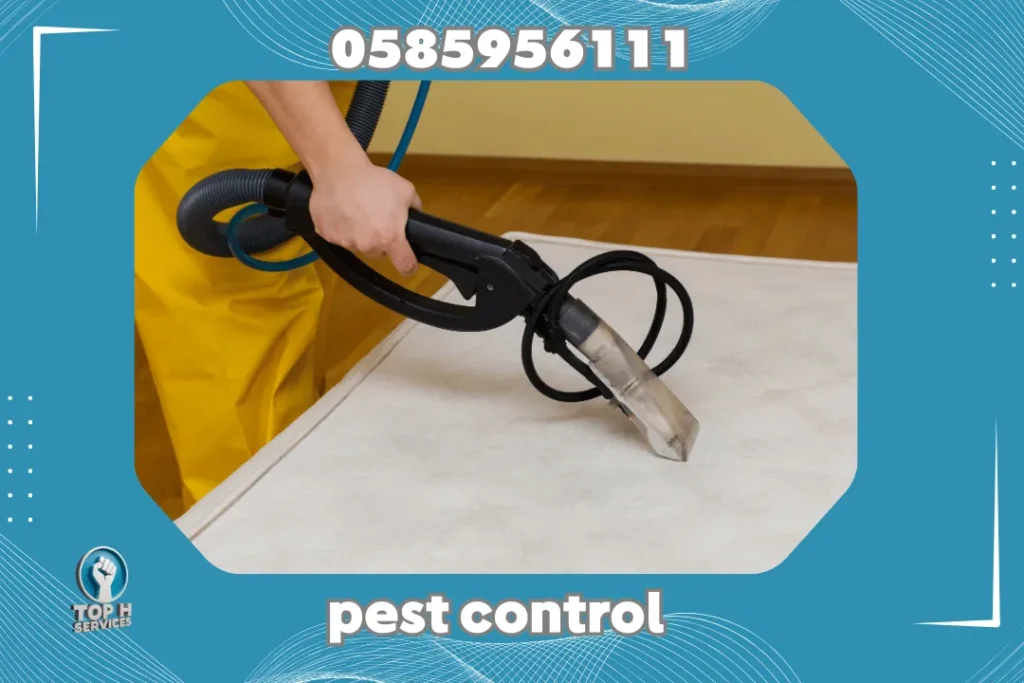
Part 5: Mattress Cleaning Schedule – How Often Should You Clean Your Mattress?
One of the most common questions about mattress cleaning is how often it should be done. While mattresses do not show dirt as clearly as carpets or sofas, they continuously absorb sweat, dust, and allergens. Establishing a regular cleaning schedule helps maintain hygiene, extend mattress life, and improve sleep quality.
The ideal mattress cleaning frequency depends on lifestyle, household conditions, and individual health needs.
General Mattress Cleaning Recommendations
For most households, professional mattress cleaning every 6 to 9 months is sufficient. This interval prevents deep buildup of dust mites and bacteria while keeping the mattress fresh.
Mattress Cleaning for Homes with Allergies
In homes where family members suffer from allergies or asthma, more frequent mattress cleaning is recommended. Cleaning every 3 to 4 months can significantly reduce allergen levels and improve nighttime breathing.
Mattress Cleaning for Families with Children or Pets
Children and pets increase the risk of spills, accidents, and bacteria buildup. In such cases, mattress cleaning every 4 to 6 months helps maintain hygiene and prevent odors from setting in.
Seasonal Mattress Cleaning Benefits
Many homeowners prefer to schedule mattress cleaning during seasonal deep-cleaning routines. This approach aligns well with broader home care plans and helps reset indoor hygiene at least twice a year.
Warning Signs That Your Mattress Needs Immediate Cleaning
- Persistent odors despite fresh bed linen.
- Visible stains or discoloration.
- Increased allergy symptoms at night.
- Recent illness or heavy sweating periods.
Mattress Maintenance Between Professional Cleanings
Between professional sessions, simple habits can help maintain mattress cleanliness. Using a mattress protector, washing bed sheets weekly, and airing the mattress periodically reduce dust accumulation and moisture retention.
Combining Mattress Cleaning with Other Services
Mattress hygiene improves significantly when combined with house cleaning and carpet cleaning, as dust and allergens often circulate throughout the home.
In the final part, we will explain how to choose a reliable mattress cleaning company and why professional service makes a lasting difference.
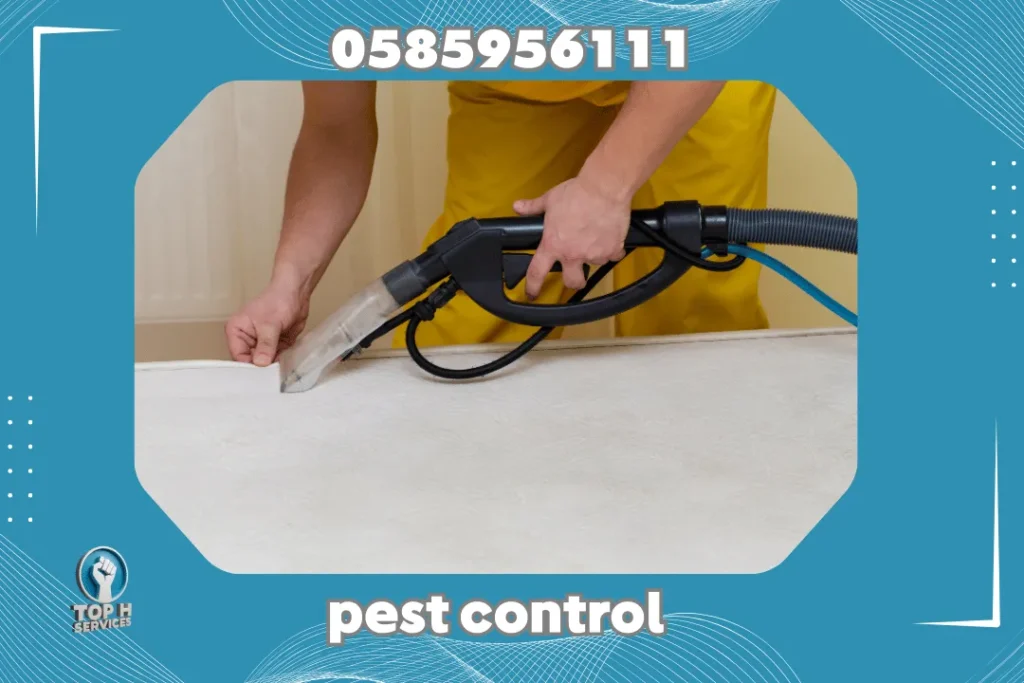
Part 6: Choosing a Professional Mattress Cleaning Service – Why Expertise Matters
After understanding mattress types, cleaning methods, stain removal, and maintenance schedules, the final step is choosing the right professional mattress cleaning service. The quality of the service directly affects how long the mattress stays fresh and hygienic.
Not all cleaning providers use specialized mattress equipment. Selecting a professional service ensures safe cleaning, proper moisture control, and long-lasting results.
What to Look for in a Mattress Cleaning Company
- Pre-cleaning inspection to identify mattress type and condition.
- Use of professional-grade equipment designed specifically for mattresses.
- Safe and non-toxic cleaning solutions.
- Strong extraction and controlled drying process.
- Clear explanation of expected results.
Why Professional Mattress Cleaning Outperforms DIY Methods
DIY mattress cleaning often relies on household products that only treat surface dirt. Improper use of water or chemicals can trap moisture inside the mattress, leading to recurring odors. Professional mattress cleaning focuses on removing contaminants from within the mattress, not just improving appearance.
Long-Term Benefits of Professional Mattress Cleaning
Regular professional cleaning extends mattress lifespan, improves sleep quality, and reduces allergens. Many clients report fewer allergy symptoms and better rest after professional mattress cleaning.
Mattress Cleaning as Part of a Complete Home Hygiene Plan
Mattresses do not exist in isolation. Dust and allergens circulate throughout the home. For comprehensive hygiene, mattress cleaning is often combined with house cleaning, carpet cleaning, and other professional services.
When to Book Mattress Cleaning
Mattress cleaning is recommended after long periods of use, following illness, or whenever odors and stains appear. Proactive scheduling helps maintain a healthier sleep environment year-round.
Final Thoughts: Better Sleep Starts with a Clean Mattress
Professional mattress cleaning is an investment in comfort and health. By choosing experienced specialists, you ensure your mattress remains clean, fresh, and safe for everyday use.
For bookings and inquiries, call 0585956111 or visit tophservices.ae.